Business Branding: Creating Impactful Marketing with Custom Printed Booklets
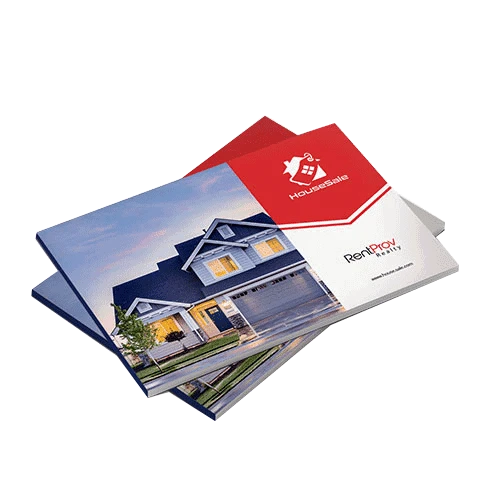
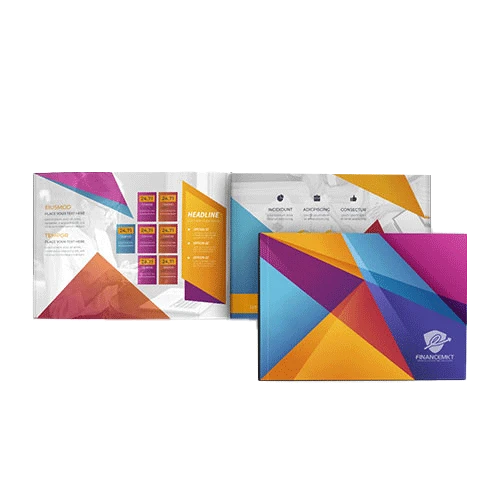
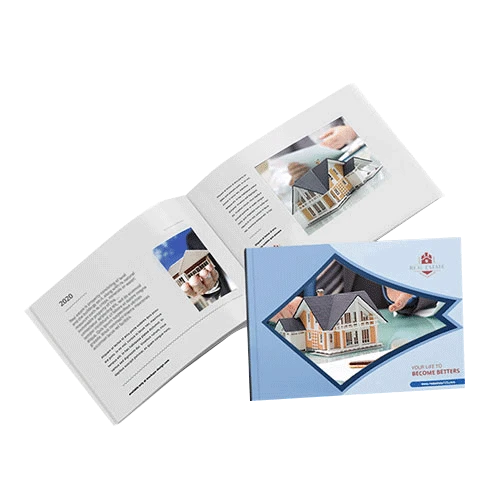
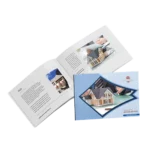
Booklets are small printed publications typically consisting of multiple sheets of paper, often folded and bound together, containing information or visual content on a specific topic. They serve as a versatile and effective medium for communication and marketing across various industries and applications. Booklets can range from a few pages to dozens of pages, and their size and format can be customized to suit specific needs. Key features of booklets typically include:
- Layout and Format: Booklets are designed with a clear and organized layout to present information in an easy-to-digest format. They often feature headings, subheadings, bullet points, images, and illustrations to enhance visual appeal and facilitate understanding.
- Size and Shape: Booklets come in various sizes and shapes, ranging from pocket-sized to larger formats. Standard sizes include A4, A5, and A6, but custom sizes can also be created based on the purpose and requirements of the project.
- Paper and Material: Booklets can be printed on a variety of paper types, including gloss, matte, uncoated, and recycled paper, with varying weights and finishes to suit the specific needs and desired look of the project.
- Content: It can be created for various purposes, such as product catalogs, event programs, training manuals, educational materials, company reports, and creative portfolios. The content can be tailored to target specific audiences or demographics, allowing for a more personalized approach.
Booklets can play a crucial role in retail product packaging by providing essential information, enhancing the user experience, and reinforcing brand identity. When customers purchase a product, they typically expect to find booklets included in the packaging that provide detailed instructions on how to use, assemble or maintain the product. These booklets should include clear, step-by-step guides with images or illustrations to enhance user experience and satisfaction. In some cases, products may come with specific safety guidelines or precautions that must be followed. In such cases, booklets can clearly and effectively convey this information. This is especially important for products like electronics, chemicals, or pharmaceuticals, where proper usage is critical for consumer safety. Booklets can also provide valuable information on warranty terms, product registration, customer support contacts, and troubleshooting tips. This can help build trust with customers and ensure a smooth after-sales experience. Lastly, booklets can be used to promote other products or services your company offers. Including promotional booklets in the packaging can help drive customer interest in additional offerings and increase cross-selling opportunities.
There are several booklet binding methods, each with unique characteristics and suitability for specific projects. Common binding types used for booklets are:
- Saddle-stitching: Saddle-stitched booklets are made by folding sheets of paper in half and then stapling along the spine. It is an economical option for smaller booklets, catalogs, or manuals.
- Perfect binding: Booklets with perfect binding have their pages securely adhered to the spine using a robust and flexible adhesive. The cover is then wrapped around the glued pages, creating a square spine. This method is ideal for books, thicker catalogs, or magazines with a higher page count.
- Spiral binding: Booklets featuring spiral binding are assembled by connecting pages with a plastic or metal coil woven through a row of punched holes along one side. This binding method enables the booklet to remain open and flat for easy reading, making it suitable for manuals, notebooks, or presentation materials.
- Wire-O binding: Similar to spiral binding, Wire-O binding uses a double-loop wire that threads through punched holes along one side of the booklets. Due to its sleek appearance and durability, this binding type is often used for professional reports, calendars, and high-end presentations.
- Comb binding: Comb binding uses a plastic spine with rounded teeth inserted into rectangular holes punched along the edges of the pages. This cost-effective method allows easy updates to the content, making it a popular choice for proposals, reports, and training materials.
- Section-sewn binding: This technique separates pages into smaller segments, known as “signatures,” which are stitched together using thread and subsequently adhered to the cover. This binding type is commonly used for hardcover books, offering both sturdiness and the convenience of a book that can lie flat when open.
- Case binding: Case binding involves attaching a rigid cover to the pages glued together at the spine. This method is ideal for high-quality books, such as novels, textbooks, or limited-edition publications. It is also known as hard cover binding.